In today’s competitive real estate market, effective lead generation strategies are crucial for success. Real estate lead generation involves attracting and nurturing potential clients interested in buying, selling, or renting properties. Without a steady influx of quality leads, real estate professionals may struggle to grow their businesses and achieve their desired outcomes.
Lead generation is a crucial aspect of any successful real estate business. Without a steady stream of qualified leads, agents and brokers may find it difficult to achieve their goals and grow their business.
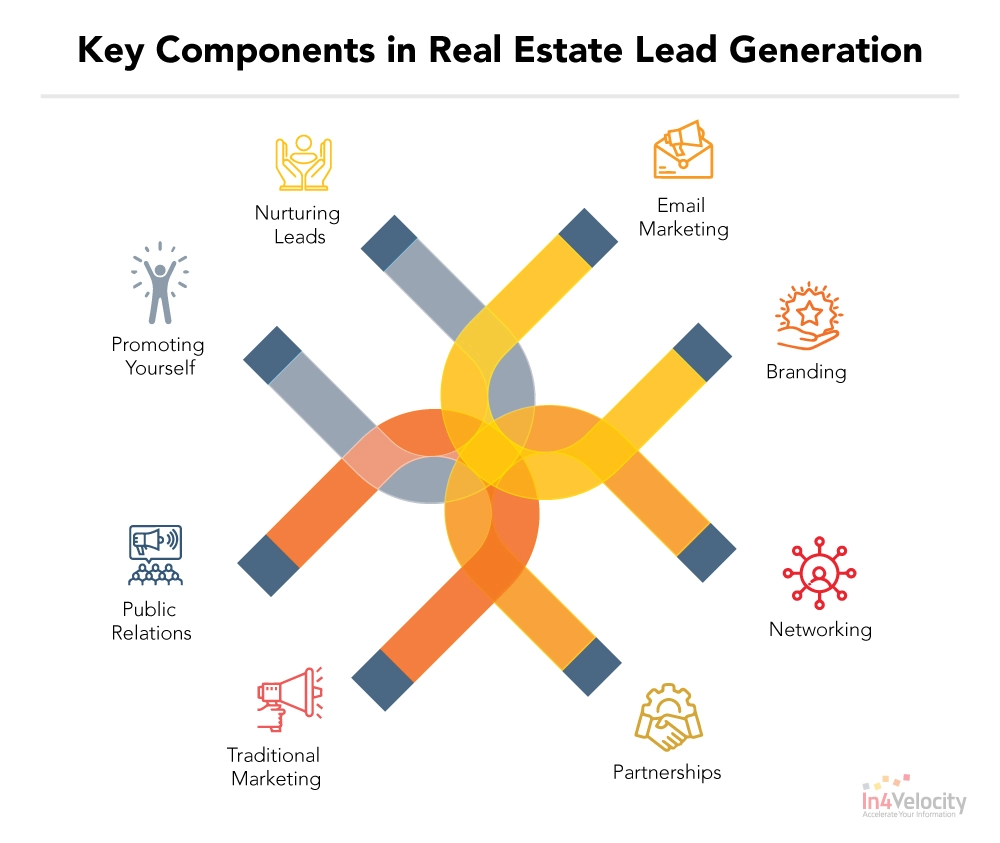
Lead generation in the real estate industry is a multifaceted concept that requires a deep understanding of the market and the target audience. It involves various strategies and techniques aimed at identifying potential clients and nurturing relationships with them. These strategies can include online marketing, content creation, search engine optimization (SEO), social media marketing, email campaigns, and more.
One of the key aspects of lead generation in real estate is identifying the needs and preferences of potential clients. This involves conducting market research, analyzing trends, and understanding the demographics of the target audience. By gaining insights into what potential buyers or sellers are looking for, real estate professionals can tailor their marketing campaigns and communication strategies to resonate with their target market.
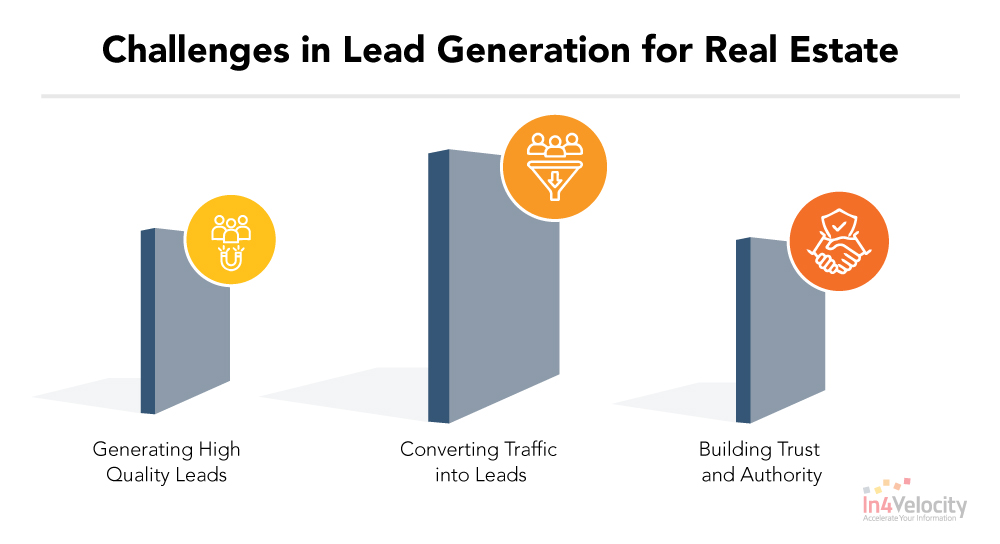
Generating quality leads is a significant challenge in the real estate industry. Agents need to maintain a healthy pipeline of real estate leads, as interest rates and market conditions can fluctuate, impacting the flow of potential clients. Preparing for the unpredictable nature of the industry requires an arsenal of fresh lead-gathering tactics.
Real estate agents don’t want to waste time with calls from non-qualified leads. High-quality leads come from the content their team is putting out there—content that reiterates the real estate agency’s authority. First, agents must understand a potential homebuyer or homeowner’s unique challenges and create content addressing those concerns. This way, the brand’s real estate services become top-of-mind when serious prospects are ready to make their property dreams come true.
Purchasing real estate is a complex process involving life savings, thorough decision-making, securing finances, and finding the best deal. It also has a significant emotional component. Because of this intricacy, real estate leads can get lost along the way. This presents an opportunity for real estate agents and their teams to create valuable content that attracts high-intent leads and moves them further along the process.
Whether website visitors arrive via organic search, PPC, social media, or even old-school print collateral, each one represents an opportunity, and a strategy is needed to keep them from leaving. The primary purpose of a real estate website is to generate leads, not serve as a digital brochure—it’s the most powerful salesperson.
Engage visitors as you would face-to-face—by assessing their level of interest, their needs, and what might get them to the next step in their journey. This is accomplished with simple “conversion paths” and allows the website to build trust with visitors, convert them to leads, and collect information that will empower the sales team.
Consider the topics on each page and present relevant CTAs that offer logical next steps to those who want more. After consuming a brief overview of a topic, most visitors won’t be ready to contact a salesperson. Instead, offer a valuable piece of related content that will address their needs in greater depth while positioning the business as an authority on the subject—a comprehensive guide, a proprietary magazine, video, or a useful tool to aid in their research.
Real estate development marketers should consider the most common questions, wants, and needs of their prospects and address them in a convenient, comprehensive resource that tops anything else online. What are the most popular web pages? How do most conversations start with the sales team? Uncover the most sought-after topics to inform the strategy, as prospects are likely researching the same topics with competitors. Offer the definitive resource to establish authority, earn trust, and move prospects closer to a sales conversation.
Mastering real estate lead generation involves nurturing relationships, using smart marketing strategies, and employing technology without necessarily incurring high costs. Developing a strong personal brand and reputation is crucial in distinguishing oneself in the competitive real estate market, aided by creating a consistent visual identity and showcasing expertise through various platforms.
In the competitive arena of real estate, an agent’s personal brand is their unique battle cry, a declaration of their distinct value proposition to the world. It’s what sets them apart from the sea of agents vying for attention, propelling them to the forefront when a potential client is ready to embark on their property journey.
Imagine being instantly recognized as the go-to expert in luxury condos or the sage of first-time homebuyer wisdom. This level of brand recognition not only fosters trust but also cements an agent’s reputation as a market leader, especially in locales where the pickings are slim due to low housing inventory.
In the realm of real estate lead generation, digital advertising strategies play a pivotal role in reaching potential buyers and sellers. Two prominent platforms that offer immense potential are Facebook and Google Ads.
Beyond traditional advertising platforms, real estate professionals can leverage the power of dedicated listing websites to generate leads. Platforms like Zillow, Trulia, and Realtor.com offer advertising options specifically tailored for realtors, enabling them to reach a highly targeted audience actively searching for properties
In the dynamic world of real estate, mastering lead generation is paramount to success. This comprehensive guide has explored innovative strategies, digital advertising techniques, and cutting-edge tools to capture and nurture leads effectively. By leveraging platforms like Facebook and Google Ads, harnessing the power of real estate listing websites, real estate professionals can gain a competitive edge in attracting potential clients.
While the path to generating quality leads presents challenges, embracing a multi-faceted approach that combines digital marketing, content creation, and relationship-building can yield significant rewards. By consistently providing value, nurturing relationships, and leveraging technology, real estate agents can position themselves as trusted experts, fostering long-lasting connections with their target audience and paving the way for sustainable business growth.