Construction ERP in 2026: How AI is Transforming Project Delivery
- Nimish Chavan
- Construction, ERP
Introduction
Table of Contents
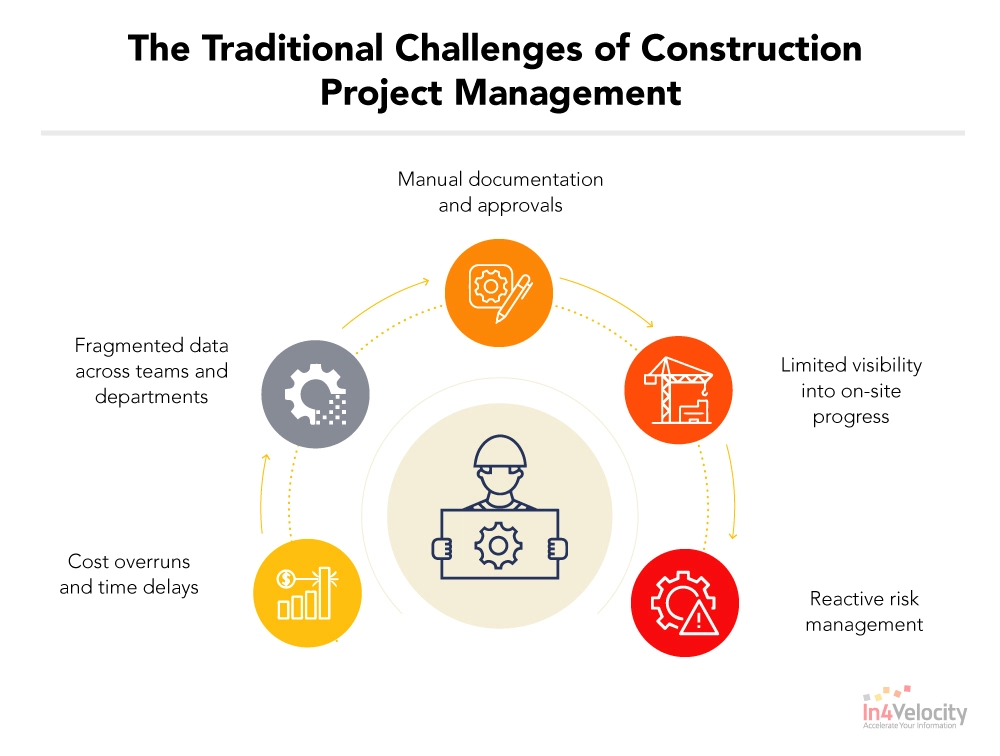
The Traditional Challenges of Construction Project Management
- Cost overruns and time delays
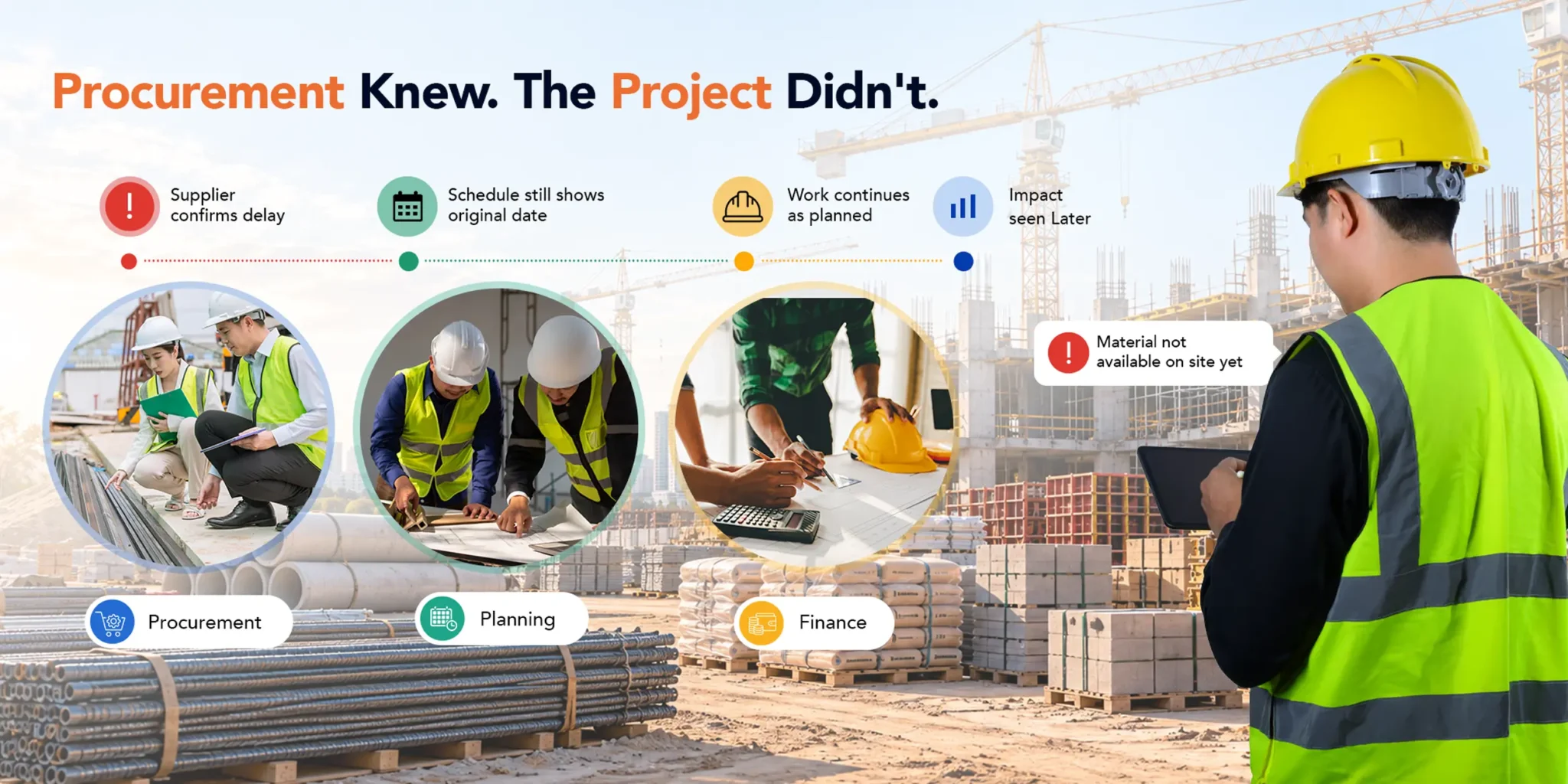
- Fragmented data across teams and departments
- Manual documentation and approvals
- Limited visibility into on-site progress
- Reactive risk management
The Role of ERP in Modern Construction
- Project planning & scheduling
- Procurement & vendor management
- Site execution tracking
- Budgeting & cost control
- Contract & compliance management
- HR and payroll
- Equipment management
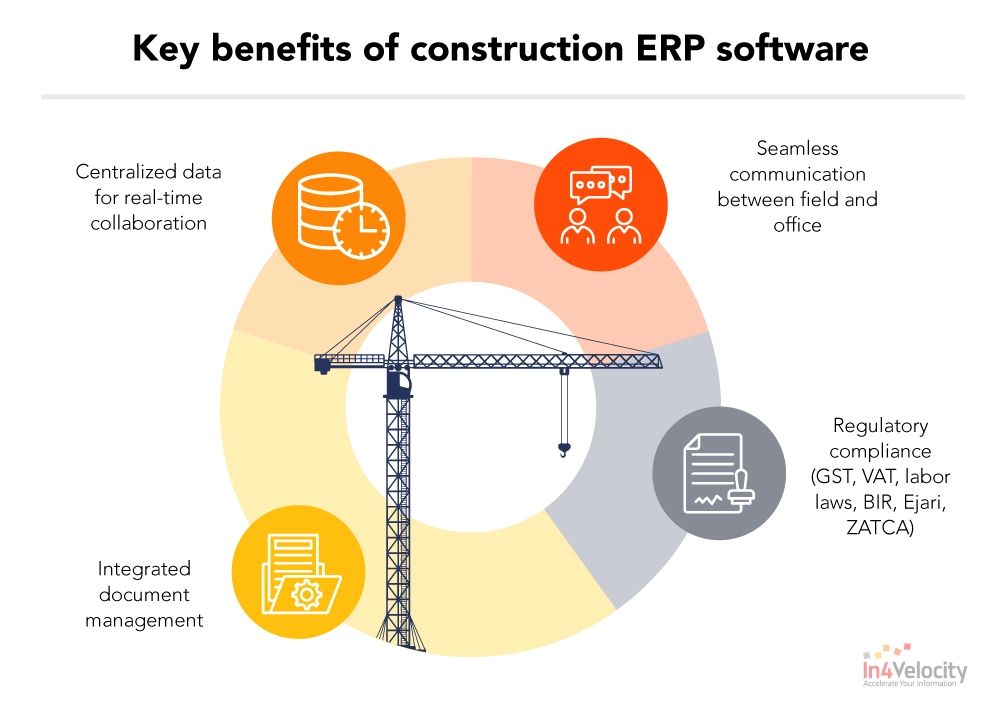
Key benefits of construction ERP software:
- Centralized data for real-time collaboration
- Seamless communication between field and office
- Regulatory compliance (GST, VAT, labor laws, BIR, Ejari, ZATCA)
- Integrated document management
How AI Enhances ERP for Construction
1. Predictive Project Planning
AI algorithms analyze historical project data to predict timelines, labor needs, and potential delays. This helps in:
- Creating more accurate schedules
- Avoiding bottlenecks in supply chains
- Allocating resources more effectively
2. Risk Detection and Mitigation
AI systems can monitor thousands of data points to detect risks such as:
- Budget overruns
- Safety violations
- Site delays due to weather or logistics
3. Automated Workflow Approvals
Using machine learning, ERP systems can now automate repetitive tasks like:
- Approving vendor invoices
- Routing material requisitions
- Flagging anomalies in billing
4. Image Recognition for Site Monitoring
AI-powered image recognition integrated into mobile apps can:
- Verify on-site worker attendance
- Track construction progress through drone footage
- Identify safety compliance visually
5. Smart Forecasting for Materials and Labor
AI can predict the exact quantity of materials needed, reducing:
- Material wastage
- Overstocking
- Last-minute procurement issues
Real-Time Dashboards and Business Intelligence
Combining AI and ERP also enhances construction business intelligence (BI). Platforms like In4Suite® offer:
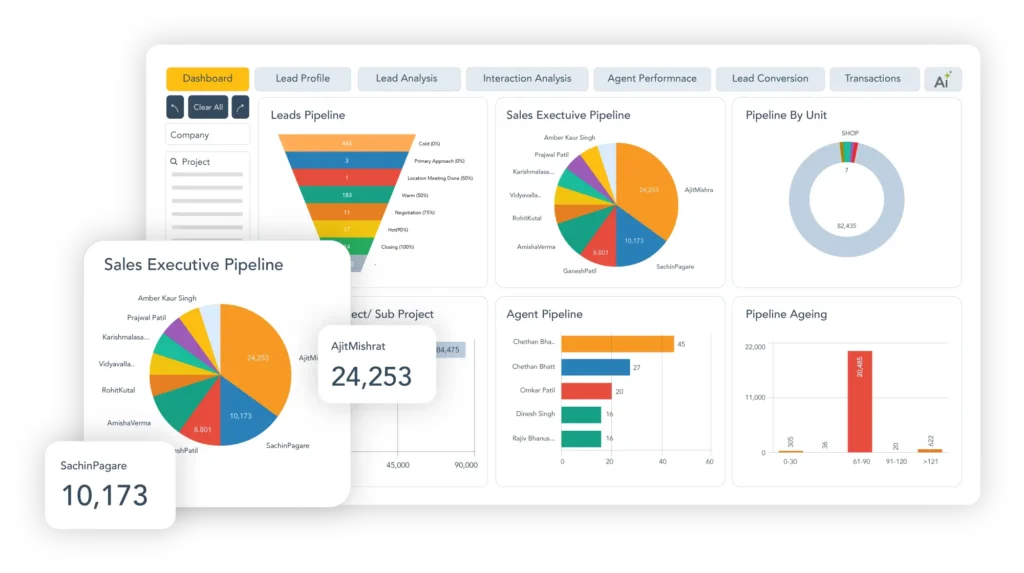
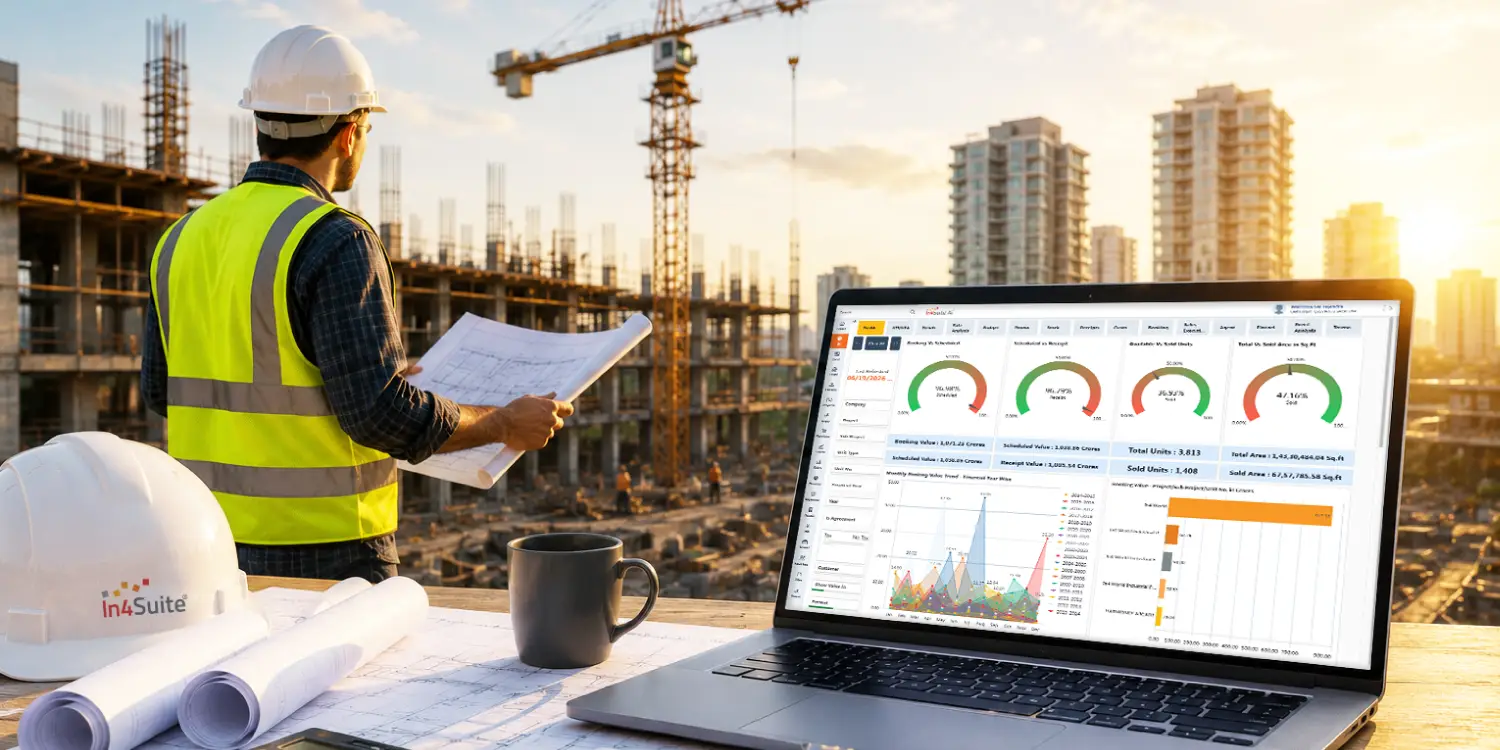
- Real-time dashboards by project, region, or manager
- Automated alerts on deviations
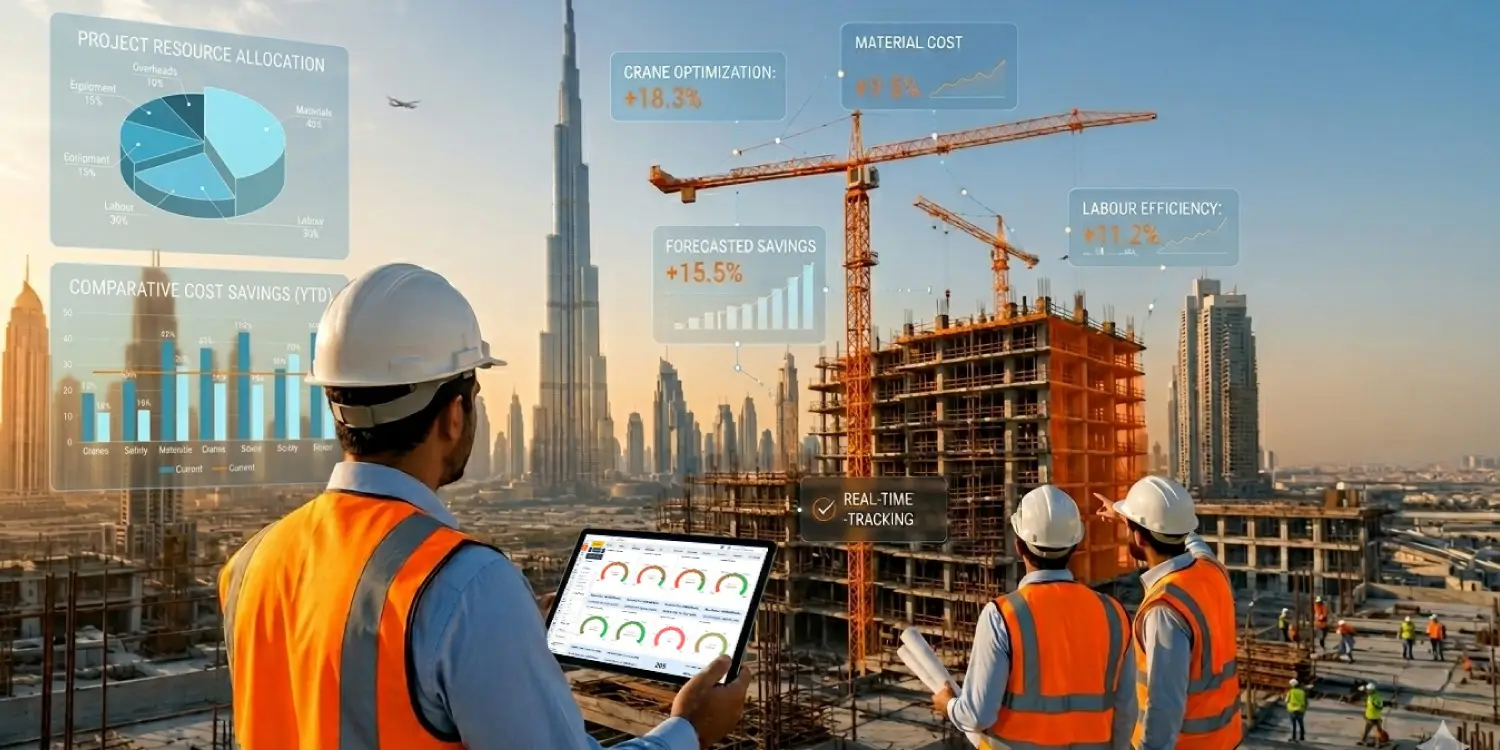
- Visual analytics for costs, schedules, and KPIs
AI and ERP Use Cases in Construction (2026 and Beyond)
Smart Project Scheduling
AI learns from past schedules. It adjusts Gantt charts in real-time based on progress reports, resource availability, and weather forecasts.
Automated Site Reporting
Workers can input data via mobile apps, and AI standardizes it into reports with zero manual effort.
Vendor Rating and Optimization
AI evaluates vendors based on past performance, pricing, and delivery timelines, helping choose the best partners.
Cash Flow Prediction
Integrated financial forecasting ensures that project managers can anticipate shortfalls or surpluses.
Regulatory Risk Flags
ERP modules alert teams of deadlines for compliance submissions or legal document updates.
Why In4Suite® ERP Stands Out in the AI + ERP Landscape
Key strengths include:
- Over 16 integrated modules built for construction
- AI-powered business intelligence tools
- Mobile-first apps for site execution and reporting
- Strong presence across India, Middle East, and Southeast Asia
- Seamless scalability for multi-location projects
Grow your business with best awarded Real Estate and construction ERP software
The Business of Intelligence
Final Thoughts: The Future of Construction is AI-Driven
Frequently Asked Questions (FAQs)
What is the difference between CRM and ERP in construction?
A Construction ERP is purpose-built software designed specifically for construction and contracting companies. Unlike generic ERP systems, this one has special modules for the construction industry. These include project scheduling, contractor billing, site execution tracking, equipment management, and compliance documentation. Each module is designed to meet the unique needs of construction projects.
How is AI used in modern construction ERP systems?
In 2026, AI is deeply embedded into construction ERP platforms to automate and optimize core tasks. AI helps with predictive scheduling, risk detection, material forecasting, workflow automation, and even image-based site monitoring. This results in faster decision-making, lower costs, and greater project visibility.
Can small or mid-sized construction firms afford AI-powered ERP systems?
Yes. Today’s cloud-based construction ERP software is flexible and can grow with your needs. Platforms like In4Suite® ERP by In4Velocity Systems help smaller firms start with basic modules. They can expand as their operations grow. This makes AI and ERP easy to access without large upfront costs.
What are the key features to look for in a Construction ERP in 2026?
Top features include:
- AI-driven forecasting & automation
- Integrated project planning and execution
- Mobile apps for site updates
- Budgeting, billing, and compliance workflows
- Real-time dashboards and business intelligence
- Multi-location and multi-project scalability
How does In4Suite® ERP support contractors and developers?
In4Suite® ERP has more than 16 specialized modules. These modules cover the whole project lifecycle. They include land acquisition, budgeting, procurement, construction tracking, CRM, and post-handover maintenance. The system also offers AI tools for risk alerts, vendor analysis, and real-time dashboards. These tools are designed for Real Estate and construction professionals.
Which regions are seeing the fastest adoption of Construction ERP with AI?
In 2026, the fastest-growing markets are India, UAE, Saudi Arabia, Philippines, Bangladesh, Vietnam, Kenya, Nigeria, and other areas in Southeast Asia and Africa. Rapid urbanization and infrastructure growth are boosting digital adoption in these regions.
How long does it take to implement a construction ERP system like In4Suite®?
Implementation timelines vary based on business size, process complexity, and the modules selected. In4Suite® ERP is designed for streamlined, modular deployment, allowing companies to go live quickly with core features and expand at their own pace – ensuring minimal disruption and maximum value from day one.