Initially, businesses used to extensively depend on print media and hoardings to advertise and market their products. These ads were expensive and had less potential to reach a large audience base.
Therefore, if you have a real estate business, it is imperative to have an online presence that can aid you in attracting more customers. Here, we aim to educate small and medium-sized real estate companies and realtors on how to implement simple and effective digital marketing strategies that can be beneficial for the business.
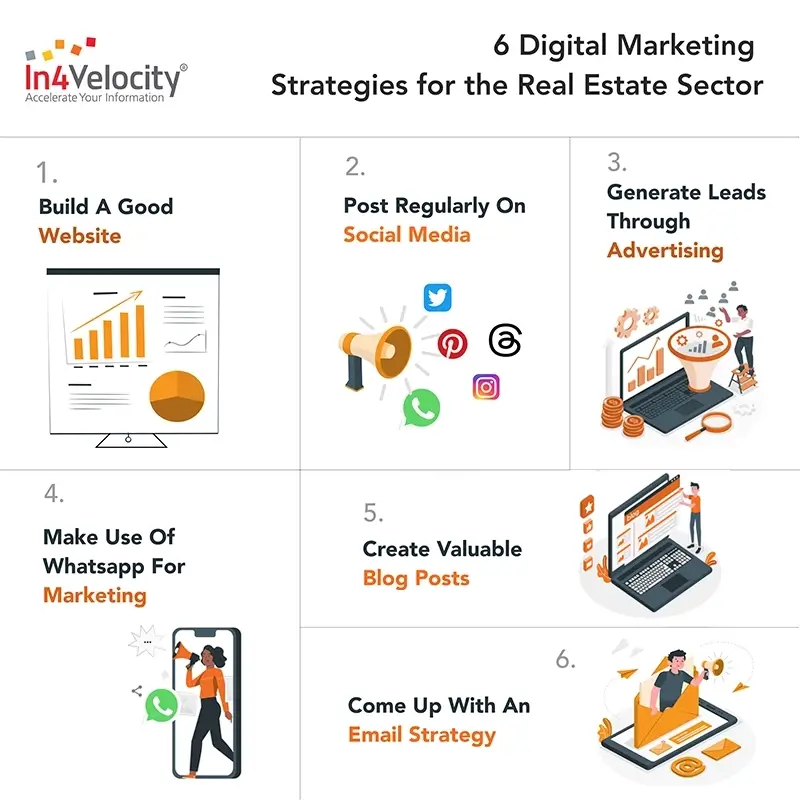
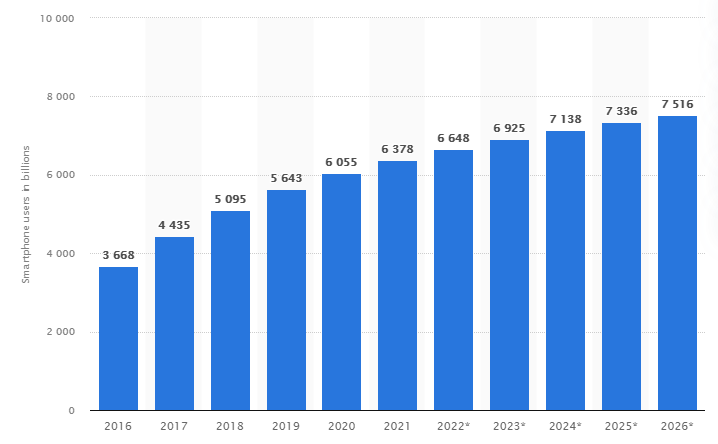
It is necessary to create an official company website that includes relevant information on property listings and basic company details. To create a good, mobile-friendly website, try to hire a professional web developer. Ensure that the designed website is mobile-friendly since most of the web browsing done by the customers is through mobile phones.
In addition to this, an interactive chat box feature can be added to your website. Customer support has to be prioritized since the real estate sector is highly people-centric. Live chat boxes help you to communicate with the customers instantly and understand their needs.
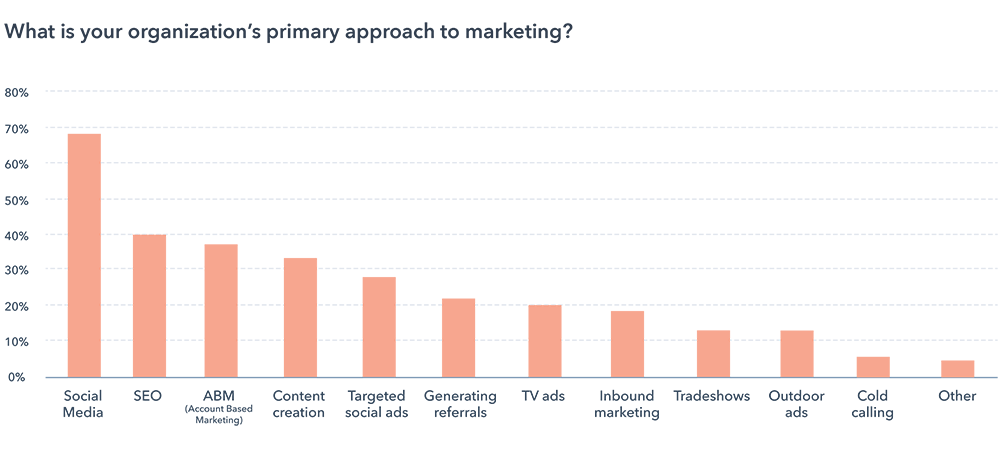
As a real estate professional, it is essential to stay active on social media platforms such as Facebook, Instagram, LinkedIn and Twitter. Most of the millennial homebuyers who are active on social media, look for properties on social media platforms. With your social media presence, you can effortlessly redirect them to your website that contains house listings. Try to post content on social media platforms for at least six months and gain organic followers before investing money in social media ads.
Keep in mind to post the content regularly on all the social media platforms. Increasing your follower base attracts new customers and boosts your sales ultimately. Ensure to change your social media strategy once every three months to find out what’s not working and post new content accordingly.
Your social media accounts are set up and let’s say you have been posting relevant content consistently. The next step would be to generate leads through paid marketing campaigns. Lead generation strategies are used by real estate professionals to attract potential customers and convert them into buyers. Specific marketing campaigns can be created and targeted towards the customers using different digital mediums. Social media and Google ads are some of the popular advertising platforms used to promote marketing campaigns and generate leads digitally.
LinkedIn Ads: can be used to understand your potential customer’s occupation, professional background and decide if they can afford an affluent property. You can also network with several industry professionals from a similar background which helps you to understand your competitors and the market deeply.
Instagram Ads: can be extensively used to promote visual content. You can create marketing campaigns exclusively for Instagram featuring the aesthetics of the property through carousel posts and videos and target it towards millennial home buyers.
Facebook ads: are cost-effective and allow you to create multiple campaigns for past, present, and potential customers which can be easily altered and managed. You can also promote your ads to multiple real estate and property groups on Facebook where home/property buyers are usually active.
Since the real estate sector is highly competitive, it would be challenging to increase your website ranking just by implementing SEO strategies. Due to this, many small and local businesses turn to Google ads to generate more leads. With the help of a web developer and a designer, you can create separate landing pages and advertise them on the Google search engine by using a specific set of keywords. A fixed budget can be allocated to promote your ads based on the location and demographics of the customers.
Following this trend, businesses have started to make use of WhatsApp to reach out to more customers. The foremost advantage of WhatsApp marketing is the ability to reach a larger audience base through simple content in the form of text messages, photos, and videos.
As a real estate professional, your business can hugely benefit from WhatsApp.
Ensure to use a business number when you are sharing the property details with customers. This shows professionalism and helps you to communicate with your customers through text and call promptly. This business number can be added to your social media pages so that customers can easily reach out to you.
With the help of the WhatsApp broadcasting feature, you can create separate groups for past and current customers. Important property-related information can be broadcast to the groups and each group member will receive a separate message instantly without any hassle. Interested customers will inquire about the message and they might also bring their peers along with them.
Since most of the real estate business is based on the goodwill of the company, WhatsApp can be used as a great tool for referral marketing. You don’t have to necessarily create an exclusive marketing strategy for WhatsApp. Ensure to share clear and concise information with your prospects. Once you build their trust, you will get a lot of referrals through follow-up texts which will help your business grow.
The main agenda of creating blog posts is to provide your customers with actionable advice on buying or selling a house/property, create a good SEO strategy, and maintain a positive online reputation.
In the blog posts, add relevant content that brings back your customers every time they need information related to your industry. Make use of visually enhancing images, graphs, charts, and videos which makes the blog interactive. This also compels the customer to stay on the website for a longer period of time.
Email campaigns help businesses to nurture new leads and stay connected with the older ones.
Videos, pictures, newsletters, blog posts, etc related to the property and your company can be shared with the customers through email. Business owners can funnel out the positive leads by tracking the customer’s actions after the email has been shared.